


Blossom Color: Floral Serenity
4.81.48K Reviews
App Specs
- Version
- 1.71.193
- Updated On
- License
- Free
- Downloads
- 1,000,000+
- Developer
- Fancy Games Studio
- Categories
- Board
- Platform
- Android
Screenshots





 Analysis by AppCompare
I spent time with Blossom Color: Floral Serenity as a calm, colorful board game, and my first impression was easy to understand: it is designed to make short play sessions feel relaxing rather than demanding. The floral presentation gives it a softer personality than many traditional board games, while the simple premise makes it approachable when I want something light on my phone. It is free to download, so trying it does not require an upfront payment, although optional in-app purchases range from $1.99 to $59.99 per item.
That combination makes it best viewed as a casual game with a peaceful theme, not as a deep strategy board experience. I found myself opening it when I wanted a small mental break, especially during moments when a competitive multiplayer game would have felt like too much effort. The important question is not whether it has a striking concept—it does—but whether its gentle style gives you enough reason to return after the first few sessions.
How Blossom Color fits into everyday play
I find Blossom Color easiest to judge as a small, everyday pause rather than a game that needs a dedicated block of time. In this section, I’ll focus on how its gentle board-game framing can fit between other tasks, and why choosing a moment when you can look comfortably at the screen matters before considering how different people experience its controls and sensory style.
A floral board game built for low-pressure sessions
The game belongs to the board category, but it does not give me the same feeling as sitting down with a traditional tabletop title. Instead of asking me to learn a large rule set or plan several turns ahead, it presents a more relaxed kind of interaction centered on color and flowers. That makes the game immediately readable, even if you do not normally play board games on mobile.
I think the strongest part of the presentation is its mood. The colors and floral direction support the idea of a quiet digital pastime, and the overall identity feels more deliberate than a generic puzzle skin. The store summary describes a journey toward blossoming serenity, and in practice that theme is most successful when I treat the game as a short pause rather than a serious challenge.
Fancy Games Studio is the developer behind it. The game was released on January 7, 2022, and the current version is 1.71.193. It supports devices running Android 7.0 or later, which makes it accessible to people using older compatible phones as well as newer models.
What I would use it for
My favorite use case is a ten-minute break. If I am waiting for an appointment, winding down after work, or sitting on public transport, a colorful board game with a calmer tone is easier to pick up than something that expects a long uninterrupted session. I can focus on the immediate play instead of preparing for a complicated campaign or coordinating with other players.
Worth Reading Before You Choose

EA SPORTS FC Mobile 26 Is a Bigger Football Game, but It Takes Time

Flipboard Shows What News Apps Must Do Beyond the Feed

Switching to Android Auto Means Rethinking Your Driving Routine

Google Calendar Makes a Crowded Week Easier to Manage

Ludo King Makes the Most of the Minutes Between Plans

Baby Panda World Brings Quick Play to Modern Phones, but Its Game Library Feels Busy
It also works well as a change of pace after more intense games. Fast action titles and competitive board adaptations often leave me alert or frustrated. Blossom Color feels more suitable when I want to keep my hands and attention occupied without turning the break into another source of pressure.
That does not mean it will suit everyone. If your idea of a board game involves bluffing, negotiation, elaborate tactics, or playing face to face with friends, this is unlikely to replace those experiences. Its appeal comes from simplicity and atmosphere, so players looking for depth may find the format limited.
Free access and the question of value
The most useful fact for a new player is that the game is free. I can install it and decide whether the visual style and rhythm work for me without paying before I have formed an opinion. That is a meaningful advantage for a casual title, because the audience is often deciding whether a game deserves a place in a daily rotation rather than committing to a large purchase.
There are in-app purchases, with individual items priced from $1.99 to $59.99. I would therefore separate the value of free access from the value of optional spending. The free entry point is easy to justify if you enjoy floral visuals and short board-game sessions. Paid value is more personal: it depends on how much you play and whether the available purchases improve your experience enough to feel worthwhile.
I would not install it assuming that spending is necessary to understand the game. The sensible approach is to play first, notice whether you return naturally, and only then consider any purchase. If you lose interest quickly, the free version has already answered the question without turning that experiment into an expensive decision.
How it compares with familiar alternatives
Compared with classic digital board games, this one feels less focused on reproducing a physical tabletop experience. Traditional adaptations usually emphasize recognizable rules, deliberate turns, and the satisfaction of outthinking another player. Blossom Color is more attractive to someone who wants a visual, soothing activity with board-game flavor rather than a detailed simulation of a favorite table title.
It also differs from standard match-style puzzle games in tone. A typical puzzle app may prioritize speed, score chasing, or increasingly demanding combinations. Here, the floral identity gives the experience a softer frame. That can be refreshing when I want something less noisy, although players who enjoy constant escalation may prefer a conventional puzzle game with clearer competitive goals.
Compared with a paid premium board game, the free download lowers the risk but may not offer the same feeling of completeness. A one-time purchase can be better for someone who wants a focused experience without repeatedly thinking about optional purchases. On the other hand, a premium title asks for commitment immediately, while this game lets me test its basic appeal first.
Small habits that make the experience better
I found it more enjoyable when I approached each session with a specific limit. Playing for a short break kept the calming theme intact; continuing simply because I felt I had to progress made the experience feel more like a task. For this type of game, stopping while it still feels pleasant is a useful habit rather than a sign that the game failed.
Another practical tip is to judge it by repeat comfort, not by the first impression alone. The colors may attract you immediately, but the real test is whether the interaction remains satisfying after the novelty fades. I would give it several brief sessions at different times of day before deciding whether it belongs on your home screen.
I also recommend deciding on a spending boundary before browsing purchases. The wide gap between the lowest and highest listed item prices means that “free to start” and “good value for every player” are not the same claim. A clear personal limit helps keep the game in its intended role as a relaxing pastime instead of allowing optional spending to shape the whole experience.
Where the trade-offs become noticeable
The biggest trade-off is between accessibility and depth. The approachable presentation is a genuine strength when I want something immediate, but it can also make the game feel less rewarding if I am searching for complex decision-making. A board label alone does not guarantee the layered strategy found in larger tabletop adaptations.
The peaceful theme may also divide players. I enjoy it when I want visual calm, but someone who prefers dramatic presentation, competitive tension, or a strong narrative may find the floral atmosphere too gentle. The same design choice that makes the game distinctive can make it feel narrow for people with different tastes.
Free access is another mixed point. It removes the barrier to trying the game, yet the presence of purchases means I still need to think about value rather than treating the download as a complete promise. I would be comfortable recommending the free version as an experiment, but I would be more cautious about spending until the game had proved that I would play it regularly.
There is also a difference between a game that helps me relax and one that keeps me engaged for months. Blossom Color is strongest in the first role. I would not choose it as my only mobile game if I wanted a long-term competitive hobby, a substantial campaign, or a social board-game replacement.
Who is most likely to enjoy it?
I would recommend it to casual players who like flowers, bright colors, and board-style play without a steep learning curve. It is especially suitable for people who want something they can open during small gaps in the day. The free starting point makes it easy for curious players to test whether the atmosphere feels right before making any decision about purchases.
It may also appeal to players who normally avoid demanding games. Someone who finds strategy-heavy board adaptations intimidating could feel more comfortable here because the presentation invites experimentation instead of making every move feel important. I see it as a friendly entry point for mobile board gaming, provided the player is happy with a lighter experience.
I would suggest skipping it if your priority is multiplayer competition, detailed tabletop rules, or a single paid purchase with a clearly defined finish. It is also not my first recommendation for someone who needs constant new challenges or who dislikes colorful, decorative themes. In those cases, a classic board adaptation, a strategy game, or a premium puzzle title would probably deliver better value.
For families, I would pay attention to the Teen content rating before handing over a device. That rating is part of the game’s official age guidance, so it is worth checking whether it matches the player you have in mind rather than assuming that a floral appearance automatically makes it suitable for every age.
What I would check before installing
First, I would confirm that the phone runs Android 7.0 or later. That requirement is modest, but older devices can still create a poor experience if they struggle with modern game performance or storage demands. I would also install it with the expectation of trying the free experience first, not with a plan to buy immediately.
Second, I would ask myself what kind of relaxation I want. If I want color, a gentle mood, and a board-game framework, this is a sensible candidate. If I want a story, social interaction, or a demanding strategic puzzle, I would choose something else before downloading.
Finally, I would measure value by actual return visits. A game that I open repeatedly for short breaks can be more useful to me than a technically deeper title that I never launch. The opposite is also true: if the floral presentation attracts me but the play does not hold my attention, no purchase can fix that basic mismatch.
My verdict on the free download
Blossom Color: Floral Serenity is worth trying when you want a colorful board game with a calm personality and no upfront cost. Its strongest quality is not complexity; it is the ease with which it fits into a quiet moment. I can imagine recommending it to a friend who wants a gentle mobile distraction rather than another intense challenge.
The rating of 4.8 from around 9.5 thousand ratings and more than a million installs suggest that the concept has found a substantial audience, but those figures do not remove the need to judge the game personally. Its appeal is specific: floral visuals, accessible board-style play, and short relaxing sessions. Players who want deeper strategy or a more complete premium experience should keep looking.
My final recommendation is to install the free version and give it a few brief sessions before considering any optional purchase. That approach respects the difference between free access and paid value, while letting the game prove whether it belongs in your routine. For the right player, it is a pleasant little retreat; for someone seeking a demanding board game, it is better treated as a decorative, casual alternative rather than a full substitute.
Pros
- Relaxing floral puzzles offer a calming way to unwind.
- Bright
- colorful artwork makes the game pleasant to browse.
- Simple controls are accessible for casual players of all ages.
- Short levels fit well into quick breaks or daily play.
- Gentle progression encourages continued play without intense pressure.
Cons
- Some puzzles may feel repetitive after extended sessions.
- Hints or extra moves may be limited without watching ads.
- The relaxing pace may not appeal to players seeking fast action.
- Progress can feel slow when difficulty increases gradually.
- Certain visual effects may be distracting on smaller screens.
FAQs for Blossom Color: Floral Serenity
What is Blossom Color: Floral Serenity?
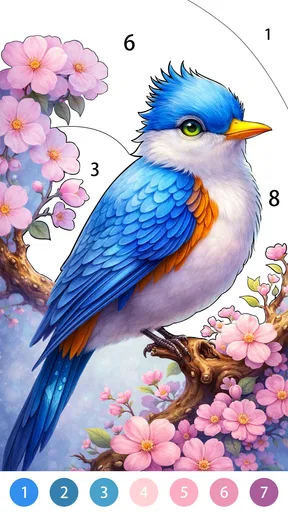
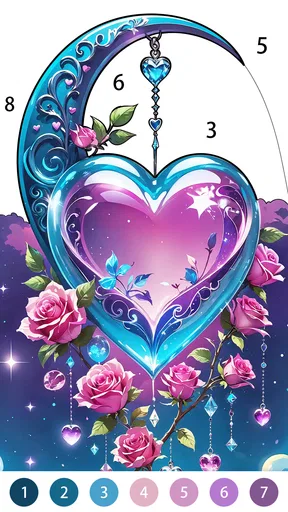
Blossom Color: Floral Serenity is a relaxing coloring game centered on flowers, gardens, and peaceful nature-inspired illustrations. After trying it, I found that the main experience is designed for casual play rather than competition: you select a picture, choose colors, and gradually complete the artwork. It is a suitable option for users who enjoy creative activities, calming visuals, and short sessions without complicated controls.
How does the coloring gameplay work?
The gameplay is straightforward and easy to learn. You choose a floral image and fill its numbered or designated sections with the suggested colors, depending on the illustration. The interface is generally touch-friendly, allowing you to zoom in when working on small details and move around the canvas with simple gestures. Progress is usually saved, so you can leave an image and return to finish it later.
Is Blossom Color: Floral Serenity free to download and play?
The app can generally be downloaded without an upfront purchase, but users should expect that some content or convenience features may be limited. Many coloring apps use advertisements, optional purchases, or premium collections to support development. Before downloading, it is worth checking the current store listing for details about subscriptions, paid artwork, ad removal, and whether any trial period automatically changes into a paid plan.
Does the game require an internet connection?
The basic coloring experience may work offline for artwork that has already been downloaded, which is useful when traveling or when you want a quiet activity without mobile data. However, an internet connection may still be needed to load new illustrations, display advertisements, synchronize progress, or process optional purchases. Offline availability can vary by version and device, so it is best to test the app after installation.
Is Blossom Color: Floral Serenity suitable for children and all ages?
The gentle coloring concept is potentially appropriate for children, teenagers, and adults, especially because it does not depend on fast reactions or complex rules. Nevertheless, parents should review the app’s age rating, advertising, in-app purchase settings, and privacy permissions before allowing younger children to use it. Some pictures or promotional content may be aimed at older users, and accidental purchases are possible without parental controls.


